Senior living & fall prevention
See the change before the fall
Sentinel gives senior living communities objective, smartphone-based movement information — fall-risk visibility drawn from how residents actually walk, day to day. It supports preventive intervention workflows so qualified teams can act on early change, with every clinical decision remaining in human hands.
Why it matters
Why do falls seem to come out of nowhere?
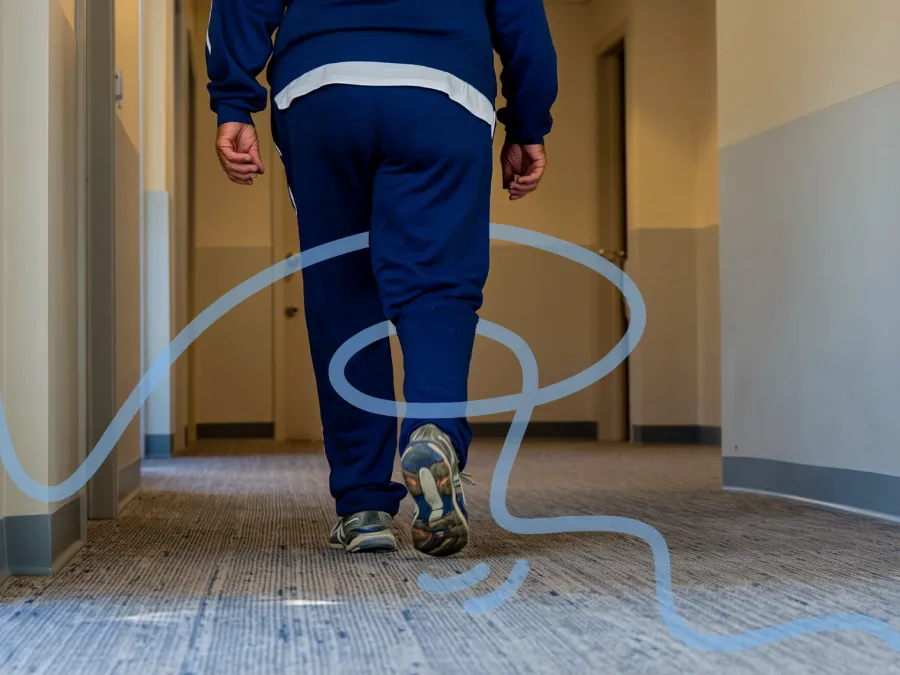
They rarely do. Roughly one in four older adults experiences a fall each year, and injurious falls carry significant cost for residents, families, and communities. But decline usually announces itself first — in subtle movement patterns: slower turns, a shortened stride, reduced balance stability.
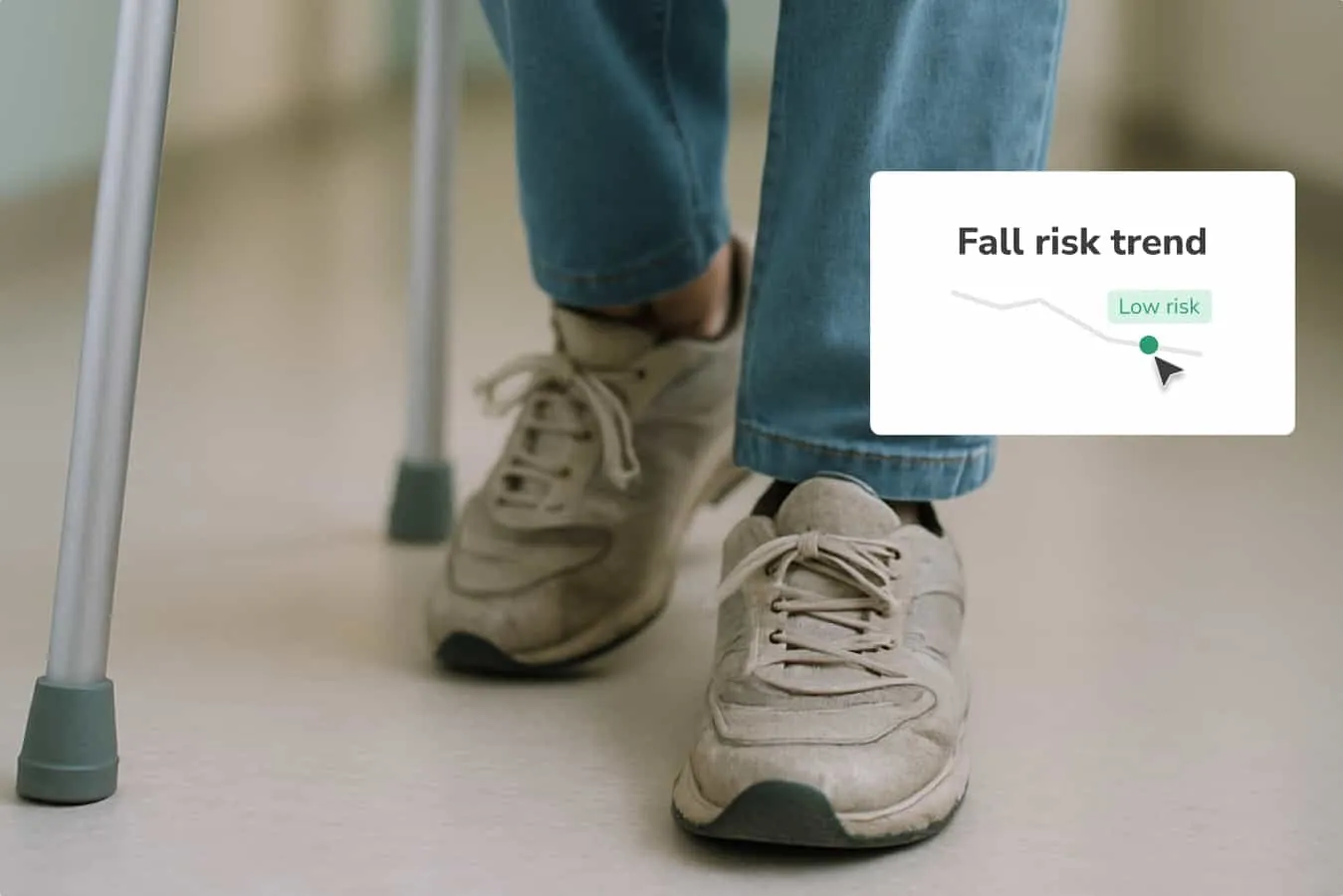
Sentinel is designed to make those early changes visible weeks before a fall, so qualified teams can act sooner. Sentinel supports fall-prevention work; it does not guarantee that falls will be prevented.
How it works
Turn everyday steps into preventive action
- 01
Assess in seconds
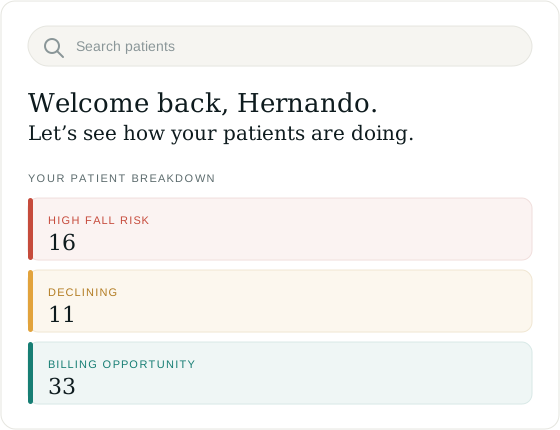
Staff or residents complete a short smartphone-based mobility assessment. Objective movement information is captured in seconds — no wearables, no setup.
- 02
Read the trend
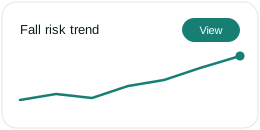
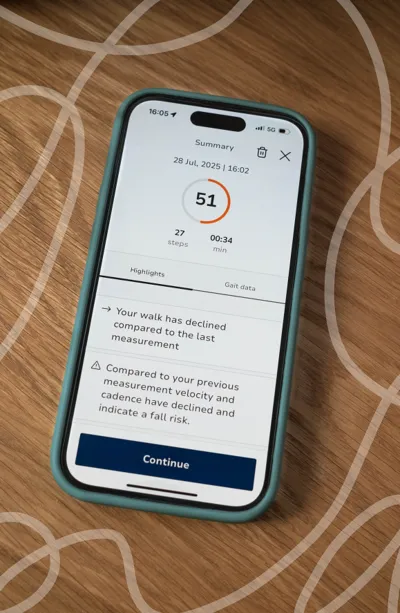
Sentinel surfaces balance and functional mobility measures alongside fall-risk visibility, giving qualified teams a clearer picture of each resident over time.
- 03
Act upstream
Clinical teams use the information to prioritize preventive intervention workflows. Interpretation and care decisions remain human-owned.
Preventive intervention
Go upstream, before the fall
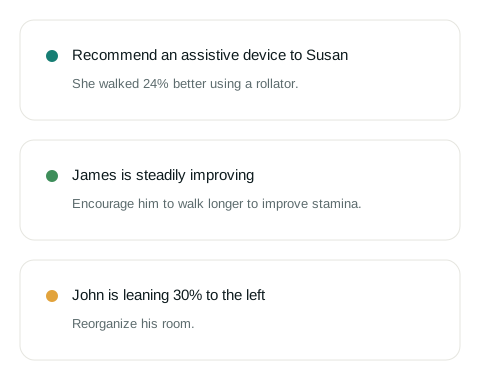
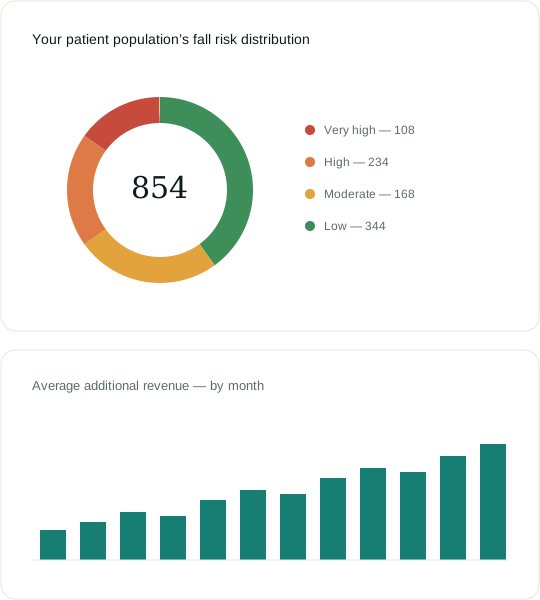
Your clinicians already excel at analyzing falls after they happen. Sentinel is designed to help them look upstream — identifying residents whose mobility warrants a closer look and supporting timely, human-governed intervention.
~25%
of residents flagged as higher risk were referred into therapy in a participating community
Fewer falls
reported by some participating communities; results vary by deployment
Program impact
Support smarter, more appropriate triage
Identifying higher-risk residents earlier can help teams refer them into appropriate, reimbursable rehabilitation care or enroll them in monitoring programs. Reimbursement eligibility depends on jurisdiction, payer rules, and documented clinical work.
Return observed
Some deployments have reported meaningful return from therapy referrals and proactive interventions. Results are specific to each deployment and are not guaranteed.
Resident engagement
Keep residents engaged between sessions and after discharge
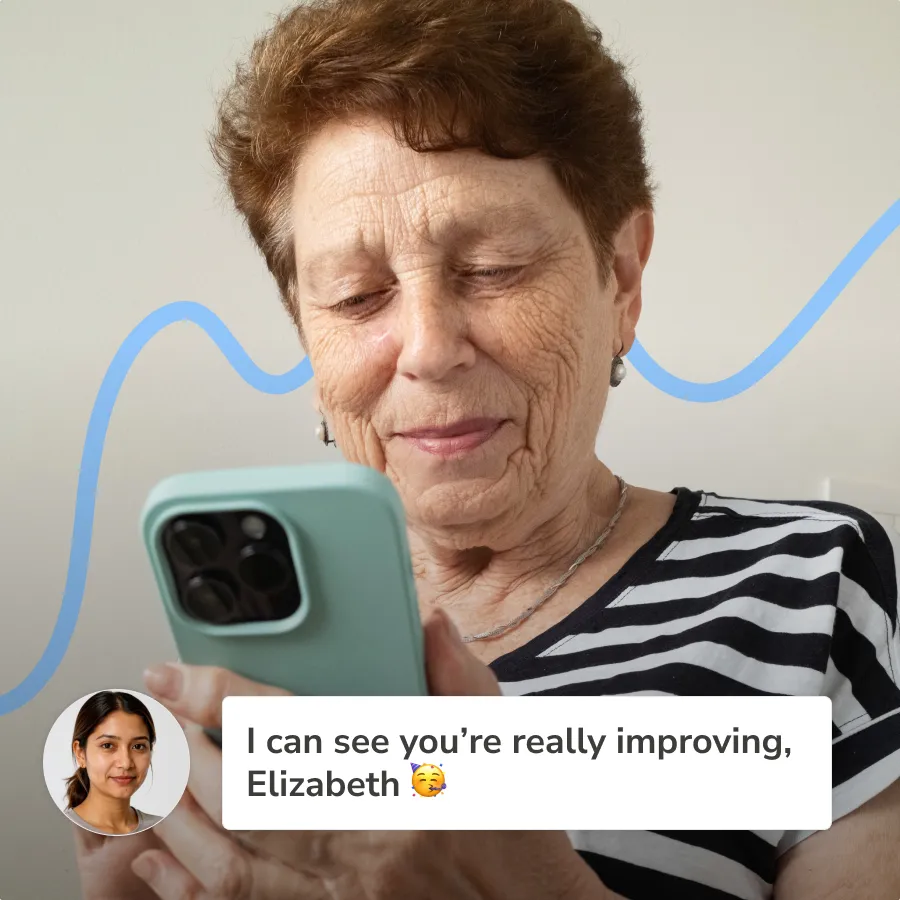
Residents can see their Walk Score and follow their own mobility changes over time. That longitudinal mobility review supports wellness programs, gives family a shared reference point, and can encourage therapy participation.
High NPS
resident satisfaction scores reported in some deployments
More engaged
wellness-program participation reported by participating communities
Documentation
Traceable documentation, captured in seconds
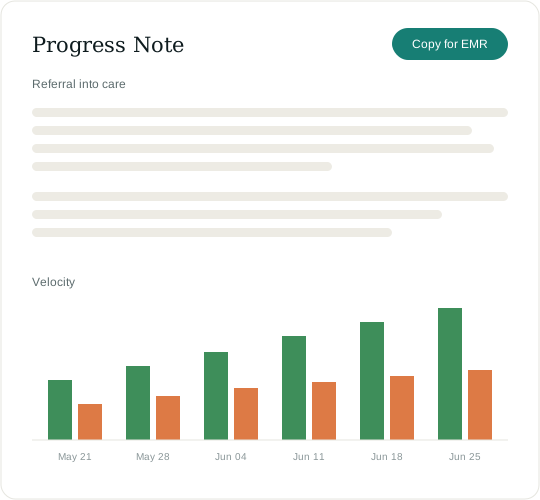
Sentinel captures standardized assessments and helps generate clear, traceable clinical documentation designed to support review — reducing administrative burden while keeping a clinician in control of what is recorded.
Hours back
documentation time saved per clinician reported in some deployments
Review-ready
standardized records designed to support survey and payer review
“We piloted Sentinel in a 16-bed memory care unit. It supported measurement-based care and helped increase appropriate therapy referrals, and we documented hundreds of patient encounters over the pilot.”
Lisa Chambers
Director of Rehab, Prestige Care
What makes Sentinel different
Objective movement information, without the hardware
Full team participation
Used by residents, family, staff, and administrators — not just clinicians.
No hardware or setup
Just a smartphone. No sensors, wearables, or calibration.
Ongoing visibility
Longitudinal mobility review wherever residents carry their phone.
Actionable insights
Supports care referrals, care planning, and documentation for review.
Where to next
Explore related solutions
Sentinel supports qualified teams across the continuum of movement health, from prevention through post-fall coordination and longitudinal review.
Get started
Support your fall-prevention team with objective movement information
See how Sentinel by Mahalo Health fits into your community's preventive intervention workflows and documentation.